
Anticipatory Anxiety and the Christian: How to Stop Dreading What Hasn't Happened Yet

The Dread Before the Season Turns
It hasn't happened yet.
The school supplies haven't been bought. The alarm hasn't been reset to 6:15. The smell of new notebooks and fresh anxiety hasn't hit the air yet. Whatever it is, your nervous system is already bracing for the hard conversation, the fall schedule, the season that swallowed you whole last year — it is still, technically, in the future. And yet here you are, living in it anyway. Rehearsing it at 2 AM with the ceiling fan turning slowly above you. Carrying the weight of something that doesn't exist yet as though it arrived last week, unpacked its bags, and moved into the spare bedroom.
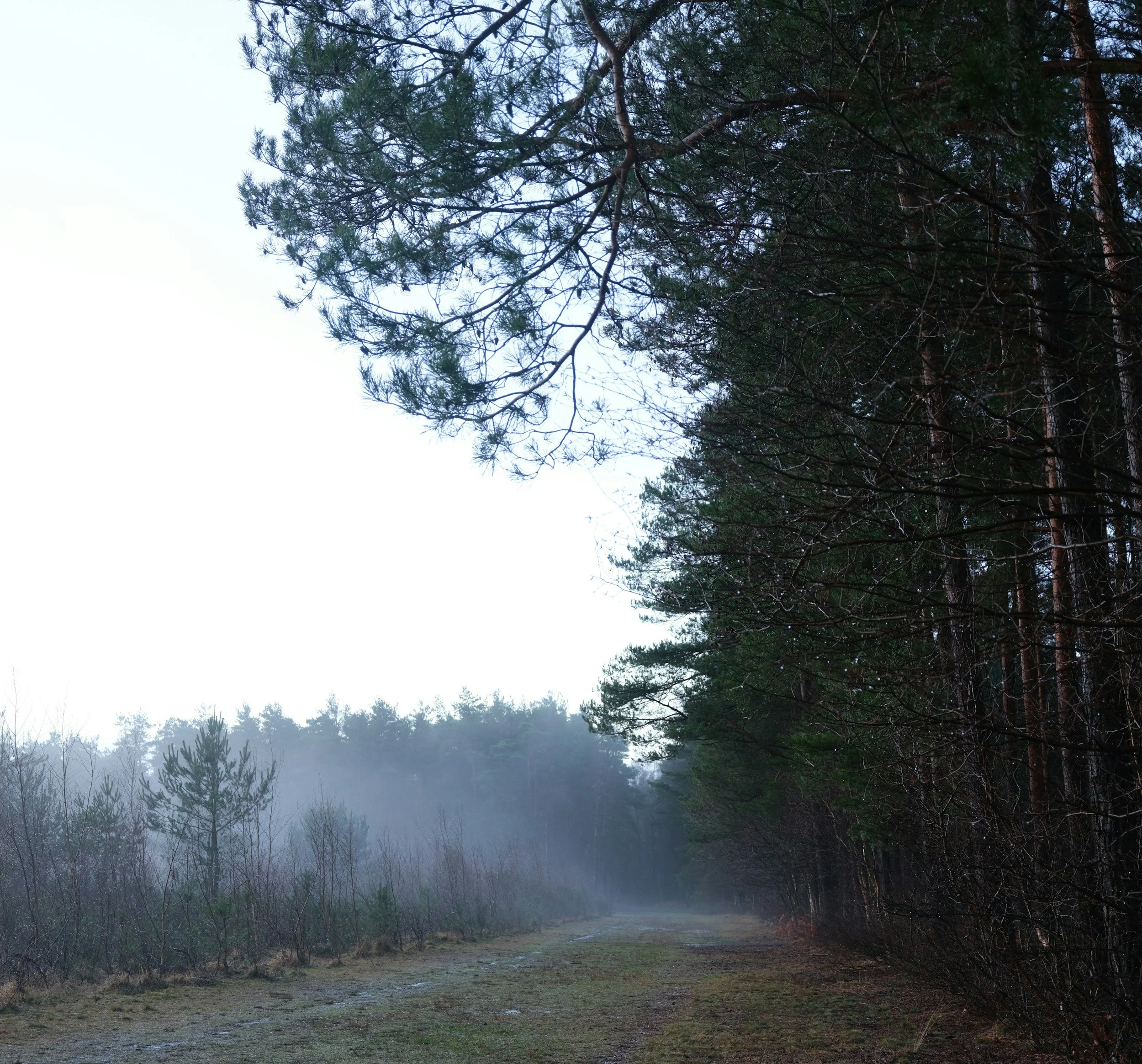
This is what anticipatory anxiety feels like. Not the sharp, electric panic of a crisis already in motion but the low, grinding dread of a crisis your brain has decided is inevitable. The fog that rolls in before the storm, thick and gray and smelling faintly of everything that went wrong last time.
And if you're a Christian walking around with this kind of dread, there's a good chance you've got a second layer sitting on top of it. Because you know the verse. You've heard it your whole life. "Do not be anxious about anything." Philippians 4:6. It's on the coffee mug on your counter, the one you grip both hands around every morning while the dread is already humming in your chest. It's cross-stitched on the throw pillow in the living room. And every time the anxiety rises, that verse arrives right behind it, not as comfort, but as a verdict.
Today I want to do two things. I want to explain what is actually happening in your brain when you dread the future. And I want to give Philippians 4:6 back to you because I think the Church has been misreading it, and the misreading is making you worse, not better.
Why Your Brain Lives in August Before August Arrives
Picture your brain as a house with a very dedicated security system. Deep in the basement, there's a room that never goes dark. The amygdala, your threat-detection center, runs twenty-four hours a day, seven days a week, scanning for danger. It doesn't sleep when you sleep. It's the reason you jolt awake at 3 AM with your heart already hammering before you even remember what you were dreaming about.
And here is the thing about this security system that nobody warns you about: it cannot tell the difference between a real threat and an imagined one. It processes the vivid mental image of something terrible happening with nearly the same neurological intensity as the thing actually happening. The smoke alarm doesn't care whether there's a fire or just burned toast. It goes off either way.
So when the calendar turns toward August — back-to-school season, the end of summer's loose, slow rhythms, the return of the packed schedule and the pressure and the hundred things that fell apart last fall — your amygdala doesn't wait for any of it to arrive. It starts running the simulation now. Cortisol floods your system. Your chest tightens like a fist closing around your ribcage. Your breath goes shallow. The back of your neck carries a tension you can't quite reach. And you are on high alert for a threat that is still six weeks away.
This is anticipatory anxiety, one of the most exhausting varieties precisely because there is nothing concrete to address. You cannot solve a problem that hasn't happened yet. You cannot fight a lion that isn't in the room. You are just living in a body that is already in combat mode, waiting for a war that may or may not come, the adrenaline bitter in the back of your throat, the what-ifs cycling through your mind like a song you can't unhear.
For Christians, this carries an extra layer of weight. You believe in a God who holds the future. You believe He is good, sovereign, and close. And yet the dread is still there, morning after morning, heavy as wet wool against your skin. Which is exactly where the Vulture of Shame moves in, settling its weight onto your shoulder and leaning close: If your faith were stronger, you wouldn't feel this way. People who really trust God don't wake up in a cold sweat about September. This anxiety is evidence of something wrong with you.
It is not. And I want to show you why.
What Philippians 4:6 Actually Says
"Do not be anxious about anything, but in every situation, by prayer and petition, with thanksgiving, present your requests to God." (Philippians 4:6, NIV)
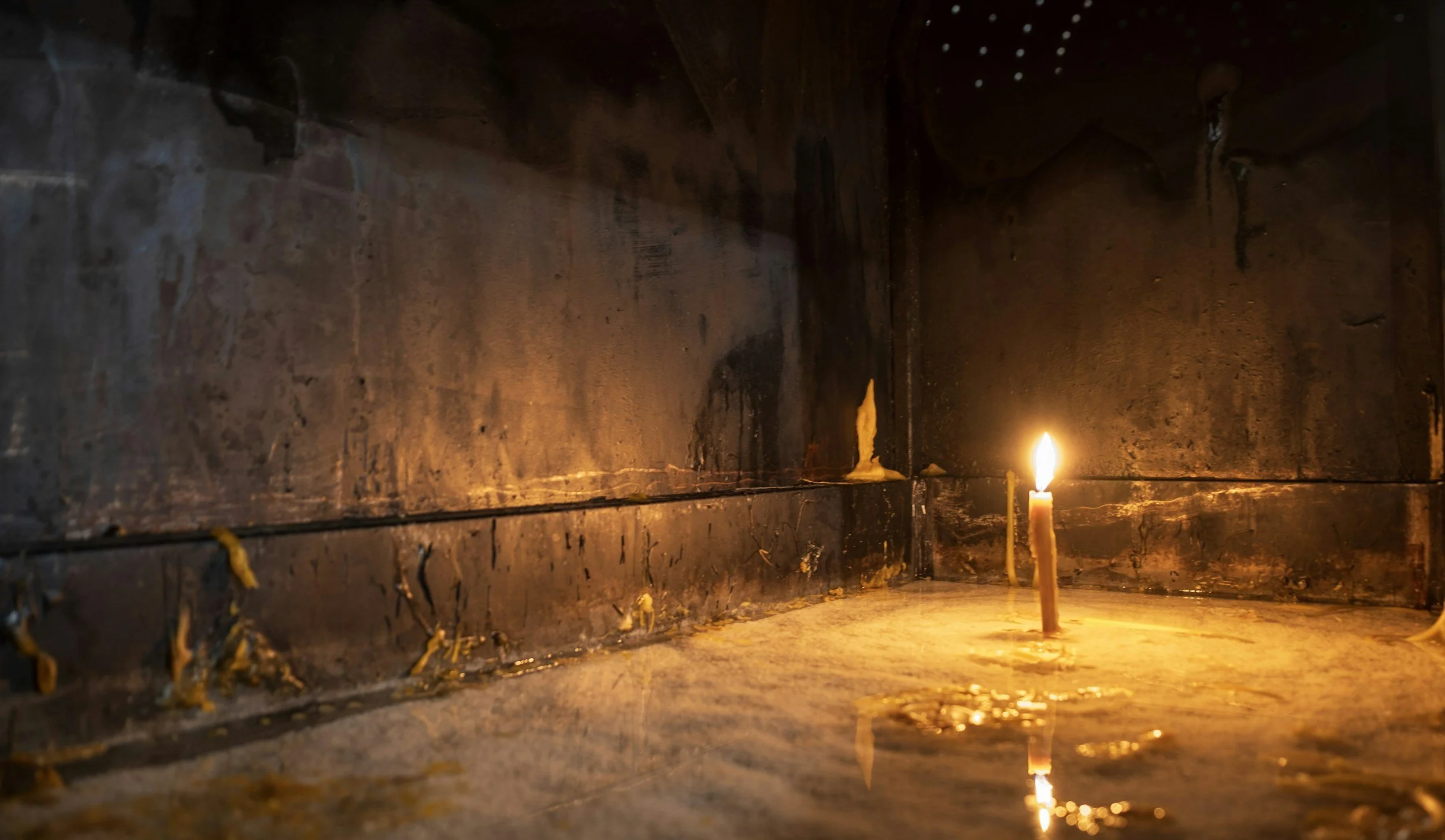
Picture where Paul is when he writes this. Not a sunlit study. Not a quiet morning with coffee and a leather-bound journal. He is in a Roman prison — the stone floor cold and damp beneath him, the smell of the cell on his clothes, the sound of chains whenever he shifts his weight. He has been beaten, shipwrecked, and abandoned. He is awaiting a trial that could end with his execution. And from that place, he writes these words.
The Vulture's version of this verse is a command to feel differently. Stop feeling the dread. Just don't. The implication is that anxiety is a choice, and if you were choosing correctly, you wouldn't experience it. Hand the mug back if you can't live up to what's printed on it.
But the verb Paul uses — "do not be anxious" — is better understood not as stop feeling worried but as do not be pulled under by it. Do not let it become the commanding officer of your soul. Do not hand it the wheel.
The antidote he prescribes isn't positive thinking. It isn't performed cheerfulness. It's prayer, specifically the kind that names what you're carrying. "Present your requests to God." That word "requests" implies something real, specific, and costly to say out loud. This is not a tidy, Sunday-morning prayer. This is the prayer of someone who can smell the stone walls of the cell, who is genuinely frightened about what's coming, and who chooses, in the middle of that fear, to bring it to the Father rather than carry it alone.
That is a very different posture than stop feeling what you're feeling. And it leaves full room for the weight of what anticipatory anxiety actually is.
The Simulation Isn't the Season
Here is one of the most useful things I tell people sitting across from me who are living in anticipatory dread: the simulation your brain is running is almost never an accurate preview.
Your amygdala is not a prophet. It is a threat detector wired for worst-case outcomes. The fall it is showing you — the one where everything unravels, where you cannot cope, where the thing you are dreading arrives and finds you flat on your back — is not a forecast. It is a fear. And fear is not the same thing as fact.
Think of it this way. Your brain is showing you a movie, and it has complete control over the lighting, the music, and the ending. Of course, it looks terrifying. It was designed to look terrifying. That is how threat detection keeps you alive. But you are sitting in the theater watching a worst-case cut of a film that hasn't been shot yet, gripping the armrests, heart pounding, for a scene that may never come.
This doesn't mean the hard thing won't arrive. Some of what you're dreading will show up exactly as feared, and some of it will be harder than you imagined. But the suffering you're doing right now — the jaw tension, the 2 AM ceiling staring, the chest that won't quite fully open — is happening in addition to whatever comes later. Not instead of it. You are paying twice for a bill that hasn't come due yet.
The pace of grace does not ask you to live in August in June. It asks you to be here — today, in this light, on this particular morning — with today's measure of grace. Tomorrow's grace will arrive with tomorrow. It always has.
One Tool: The 4-7-8 Breath
When the dread rises, when the simulation fires up, and your chest tightens, and the Vulture starts circling, your nervous system needs a signal that the lion is not actually in the room. You cannot think your way out of a physiological response. But you can breathe your way into a different one.
The 4-7-8 breath works because of the vagus nerve — a long, winding nerve that runs from your brainstem down through your chest and into your gut like a telephone wire between your body and your brain. It is the brake pedal of your nervous system. And when your exhale is longer than your inhale, you press it. You are sending your amygdala a message in the only language it reliably understands: the slow, steady rhythm of a body that is safe.
Inhale quietly through your nose for a count of four, feel your lungs fill from the bottom, like water rising in a glass. Hold for seven. Then exhale through your mouth for a count of eight, slow and deliberate, like you are breathing out smoke. That long exhale is where the work happens. Do it four times. Less than two minutes.
You're not trying to manufacture peace by sheer willpower. You're not performing calm. You are giving your nervous system enough of a pause that the thinking part of your brain can come back online and remind you: this is the simulation. Not the season. The season hasn't started yet.
Do it before your feet hit the floor in the morning, before the phone is in your hand and the day gets its grip on you. Do it at a red light when the rehearsal starts playing in your head. Do it at night when the what-ifs get loud, and the ceiling fan turns, and the dread settles back in like an uninvited houseguest who knows exactly where you keep the spare key.
Not because it fixes the future. Because it gives you back the present. And the present is the only place you can actually live.
The Sanctuary Is Here
If you have been carrying this dread alone, white-knuckling through the summer, rehearsing the fall, trying to hold the anxiety together with theology and willpower and hoping it eventually works itself out, I want you to know there is a different way to do this.
The HolyPsych Sanctuary is a community built for exactly this kind of fog. Every Monday, I show up with a new Spring Renewal post, clinical tools, scripture that hasn't been flattened into a coffee-mug platitude, and a room full of people who are doing the same honest work you're doing. We don't fix each other in there. We witness each other. And in a world that keeps handing you Philippians 4:6 without the context of a prison cell, there is something genuinely healing about a community that takes the dread seriously.
→ [Join the HolyPsych Sanctuary here]
The dread before the season turns is real. You don't have to have it resolved before you're allowed to belong somewhere. Come with the fog still on you. The front porch light is on.