
Diminished Capacity vs. Insanity: Two Distinct (and Often Confused) Defenses
Indiana does not recognize diminished capacity as a separate defense. Here is how insanity, guilty but mentally ill, and sentencing mitigation actually work, and what a forensic evaluator can tell the court.

What Is a Parenting Fitness Evaluation? A Guide for Indiana Families and Attorneys
When a court needs to know whether a parent can safely care for a child, a parenting fitness evaluation offers a structured, impartial answer. Here is what it involves and when Indiana courts request one.

The Role of an Expert Consultant Before a Case Ever Reaches Trial
Much of an expert's most useful work happens months before trial, and sometimes the expert never testifies at all. Here is what early consultation looks like.
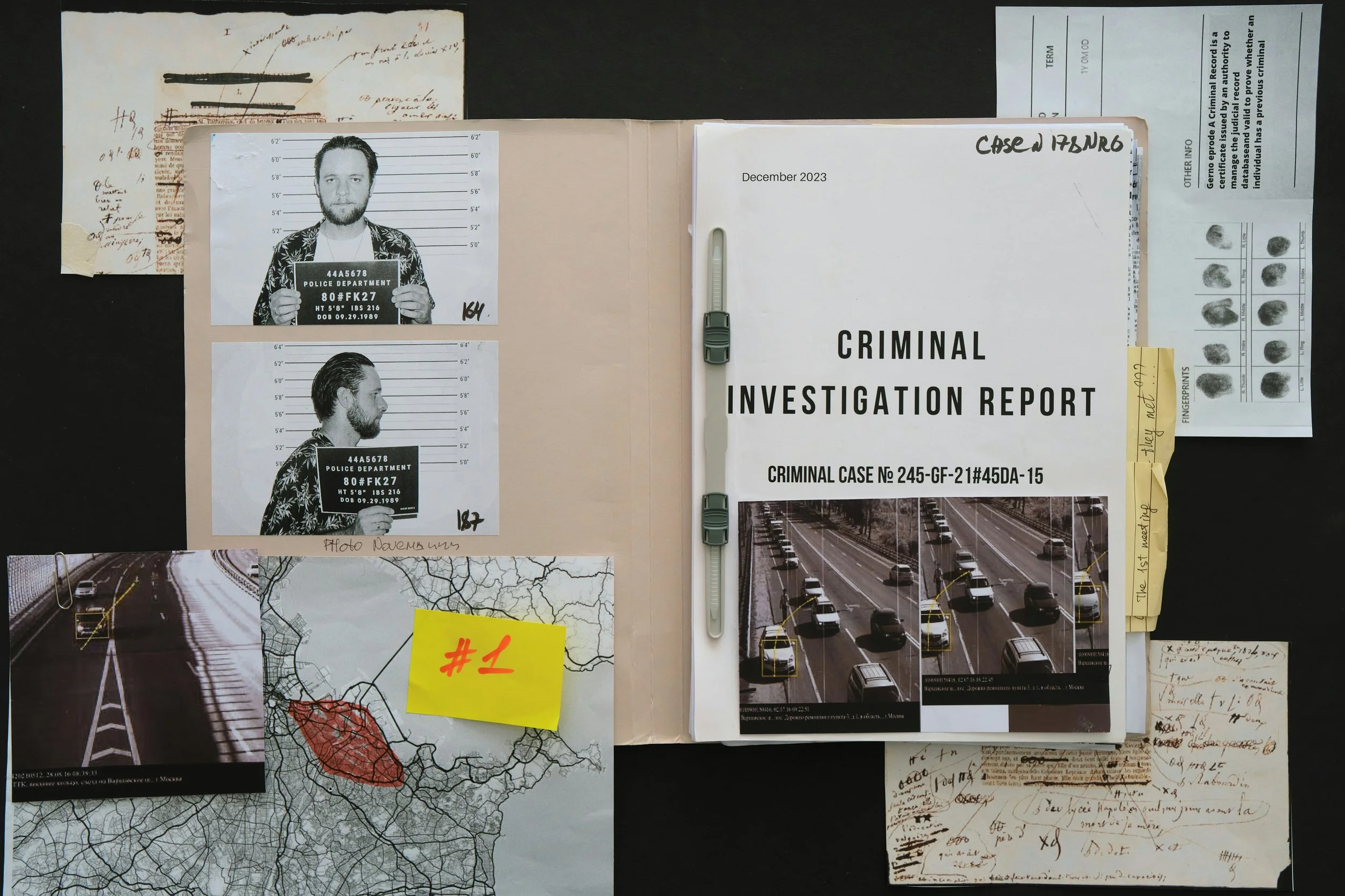
Evaluating Criminal Responsibility in Homicide Cases: What's Different
How insanity evaluations differ in Indiana homicide cases: the record, malingering, intoxication, the court-appointed panel, and when to consult an expert.

When the Court Needs One Clear Answer: Understanding Brief Focused Assessments
Not every family court question needs a full evaluation. Here is when a Brief Focused Assessment can give the court a clear answer, and when it cannot.

What a Parenting Fitness Evaluation Is (and What It Isn't)
A forensic psychologist explains what a parenting fitness evaluation is, what it isn't, and how Indiana courts and attorneys use it in custody cases.

How Forensic Evaluators Document and Defend Their Reasoning
A forensic opinion is only as strong as the reasoning behind it. Here is how good evaluators show their work, and how to tell when a report doesn't.

Understanding "Not Guilty by Reason of Insanity" Outcomes After Verdict
Not guilty by reason of insanity rarely means going free. Here is what actually happens in Indiana after the verdict.


